Explore the Enduring Charm of Men's Fedora Hats
Men's fedora hats have long been regarded as a symbol of sophistication and style. Their timeless design provides adaptability, making them ideal for numerous settings. As style preferences continue to shift, the fedora continues to capture attention in both traditional and modern contexts. Exploring its lasting allure can illuminate its role in today's wardrobes. What factors account for the fedora's enduring appeal? The response might astonish those with a passion for classic style.
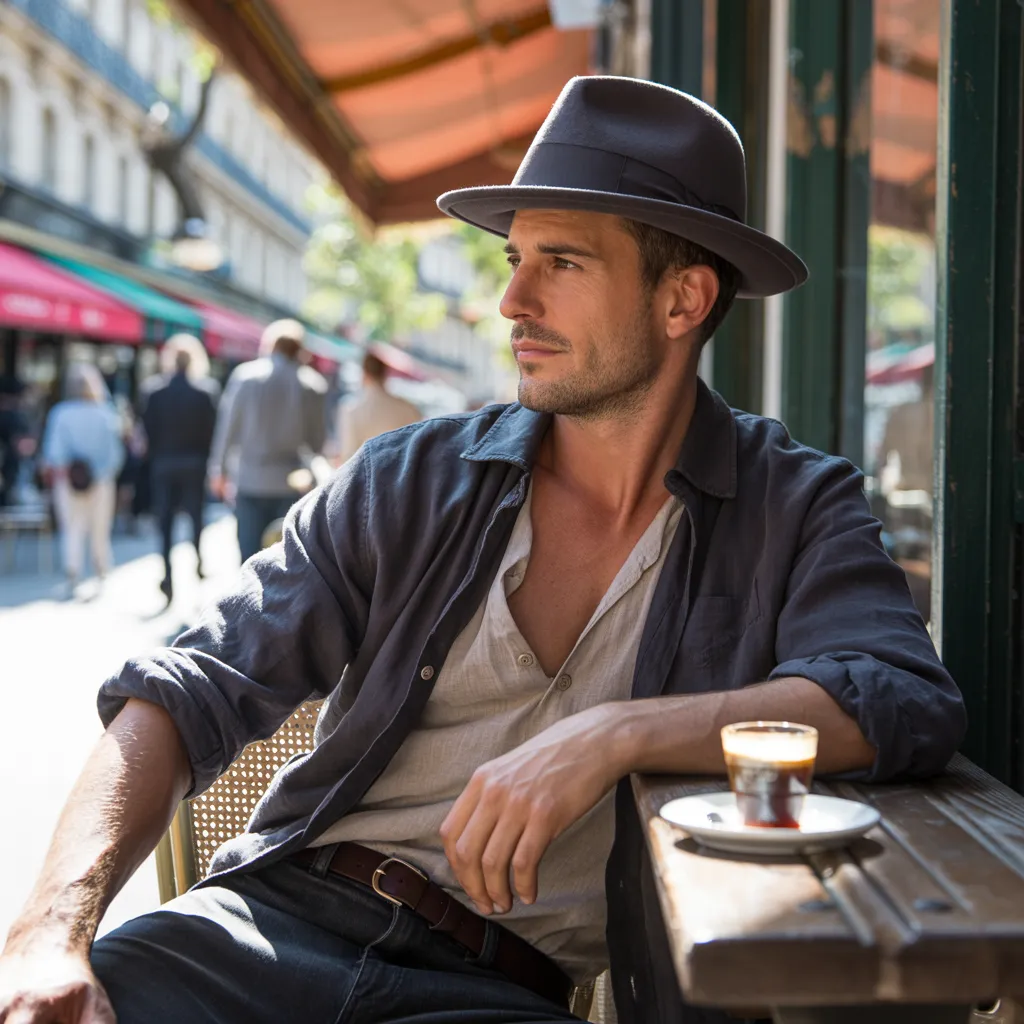
Selecting the Perfect Fedora for Your Look
When selecting the perfect fedora, how does a person figure out which style best complements their wardrobe? The secret is found in understanding the interplay between personal style and the complete outfit ensemble. A fedora's shape, material, and color should harmonize with the clothes already in your collection. For instance, a timeless wool fedora could complement a tailored suit, while a straw style could enhance a casual summer ensemble.
Face shape is another crucial factor to consider; a wider brim can soften angular features, while a slimmer brim tends to highlight those angles. Furthermore, the occasion plays a significant role. Darker and more sophisticated tones are typically suited to formal occasions, as lighter colors and patterns are better suited to informal occasions. In the end, the right fedora serves not just as an accessory but as an integral element that elevates an outfit, expressing the distinct taste and identity of its wearer.
Uncover Iconic Fedora Looks: From Vintage to Present-Day
Fedora hats have always been a hallmark of fashion and sophistication, presenting a wide variety of styles that appeal to a range of tastes and settings. The timeless fedora, characterized by its soft brim and indented crown, evokes a timeless elegance, frequently linked to legendary personalities of the mid-1900s. Its felt material lends an air of formality, establishing it as a go-to accessory for formal gatherings.
On the other hand, contemporary approaches have unveiled innovative materials and concepts, appealing to a modern crowd. Straw fedoras, as an illustration, provide a lightweight option ideal for warm-weather excursions, while vibrant hues and designs enable self-expression. Moreover, characteristics like expansive brims and creative adornments have developed, delivering an contemporary twist on the traditional design. No matter if one leans toward the classic or the contemporary, the fedora stands as a multifaceted wardrobe piece that seamlessly elevates any wardrobe.
How to Style Your Fedora: Building Confidence
What is the best way to upgrade your style with a fedora? The key lies in understanding how to harmonize this classic accessory with various outfits. A fedora is capable of elevating both casual and formal ensembles, making it a remarkably adaptable accessory. To project self-assurance, one should select a fedora that suits their face shape and individual taste. Pairing it with tailored clothing, such as a blazer or crisp button-up, can create a polished appearance, while denim and a simple tee can lend a relaxed vibe.
Accessories are important too; a pocket square or elegant watch can finish the look. The manner in which the fedora is worn shapes its effect—angling it subtly can lend an aura of refinement. In the end, true confidence stems from wearing the hat boldly, allowing it to serve as a signature piece that expresses uniqueness. Embracing the fedora can transform not just an outfit, but also the wearer's self-assurance.
Maintaining Your Fedora Hat: Upkeep and Storage Advice
Caring for a fedora hat is crucial to maintain its style and longevity. Routine cleaning methods, appropriate storage methods, and awareness of damage factors are necessary for preserving its quality. By following these maintenance tips, hat owners can ensure their fedoras remain in excellent condition for a long time to come.
Routine Cleaning Practices
Preserving the pristine condition of a men's fedora requires routine cleaning methods that preserve its texture and structure. To begin, a fine-bristle brush is essential for eliminating dust and debris from the exterior of the hat. Light circular strokes can help preserve the textile's durability. For spots, a damp cloth with mild soap should be applied, taking care not to oversoak the fabric. It is wise to test any cleaning solution on a hidden, small section first. Additionally, occasional expert cleaning can assist in preserving the fedora's condition and lifespan. Regularly checking for frayed edges or worn sections will allow for timely repairs, ensuring the fedora remains a elegant addition for many years ahead.
Essential Storage Guidelines
Proper storage practices play a significant role in maintaining the form and quality of a men's fedora. To preserve its structure, the hat should be kept in a cool, dry location, far from direct sunlight to prevent fading and warping. Employing a hat box or designated shelf can eliminate excess pressure on the brim and crown. For storage purposes, positioning the hat upside down on a flat surface preserves its shape. Avoid hanging the fedora, as this can distort its structure. Routinely examining for dust and delicately brushing it away with a soft brush will contribute to its long-term preservation. Adopting these practices will help keep the fedora looking stylish and well-maintained for years.
Preventing Damage Factors
A well-cared-for fedora hat can last for years, but various conditions can lead to deterioration if not handled properly. Contact with moisture and harsh temperatures can distort the hat's form and degrade the fabric. Direct sunlight may cause fading, while careless handling may result in unwanted creases or dents. Moreover, contact with dust and dirt can compromise the fabric's integrity, making routine cleaning essential. To minimize these hazards, it is crucial to keep the fedora in a cool and dry environment, protected from harsh sunlight. Routinely wiping the hat with a soft cloth and keeping it in a proper hatbox can considerably increase its durability. By taking these precautions, owners can preserve the quality and appearance of their beloved fedora.
The Timeless History of Fedora Hats
The fedora, a symbol of timeless elegance and sophistication, boasts a rich history that dates back to the late 19th century. Originally introduced in 1889, it rose to prominence following its appearance in the theatrical production "Fédora" written by Victorien Sardou, which depicted a fashionable female character wearing it. Beginning as an accessory exclusive to women, the fedora shifted to men's fashion by the early 20th century, cementing its place as a symbol of well-dressed men and city sophisticates.
Throughout the 1920s and 1930s, the fedora became a cornerstone of men's fashion, often linked to gangsters, detectives, and Hollywood icons. Its style, showcasing a creased crown and a soft brim, provided both style and practicality. Throughout the decades, the fedora has experienced various reinterpretations, yet its classic appeal remains undiminished. Such a lasting legacy cements the fedora's status as a timeless accessory, surpassing fleeting trends and cultural changes.
How Fedora Hats Are Coming Back in Style Today
In recent times, an evident comeback in the popularity of fedora hats has captivated fashion enthusiasts and influencers alike. This timeless style piece, formerly associated with mid-century elegance, is making a strong return to today's fashion landscape. Designers are incorporating fedoras into their collections, showcasing them in a wide range of materials and hues, ensuring their adaptability across both relaxed and sophisticated occasions.
Social networking sites, notably Instagram and TikTok, have played a significant role in this revival. Social media personalities are commonly spotted combining fedoras with contemporary styles, demonstrating their adaptability and timeless charm. Famous personalities have also adopted the style, cementing the fedora's reputation as a defining fashion accessory.
Consequently, men are gravitating toward fedoras to showcase their personal style, combining classic elements with contemporary trends. This renewed interest underscores the hat's enduring appeal, proving that the fedora continues to be an essential accessory in the constantly changing world of men's style.
Commonly Asked Questions
Can Women Wear Men's Fedora Hats Too?
Indeed, women can wear men's fedora hats. Fashion breaks matching information down gender barriers, permitting individuals to express their unique style. Numerous women admire the timeless look and versatility of men's fedoras, integrating them into their unique outfits.
What Are the Best Materials for Fedora Hats?
Fedoras are commonly made from wool, felt, straw, or cashmere blends. Wool and felt provide warmth and structure, while straw offers breathability. Cashmere introduces an element of luxury, appealing to those seeking both style and comfort in their headwear.
How Do I Measure My Head for a Fedora?
To measure head size for a fedora, employ a pliable measuring tape across the forehead, above the ears, and directly above the occipital bone at the rear. Record the measurement in inches or centimeters for accurate sizing.
Do Fedora Hats Work Well for Formal Occasions?
Fedora hats are certainly appropriate for formal events, adding an elegant accent to any outfit. Their refined design pairs well with a variety of ensembles, making them an ideal option for occasions spanning from weddings to prestigious events.
What Is the Difference Between a Fedora and a Trilby?
The primary difference between a fedora and a trilby lies in their brims; fedoras have a wider, softer brim, while trilbys have a more compact, pitched brim, lending them a sleeker, more contemporary look.